
Microgreen Experiments: Five Side-by-Side Tests to Run at Home
Light, growing medium, watering, harvest day and variety — five fair tests that show what actually works in your space, with a taste-test method and a results table. What to expect is given as a hypothesis, not a result.
Growing guides give you a method that works on average. Your window, your room and your watering habits are not average. The quickest way to find out what works where you grow is to run two trays side by side and change one thing. Microgreens are ideal for it: a radish tray goes from seed to harvest in about a week, so a test that would take a season with vegetables takes days.
A note on what follows. We have not published controlled results from these tests. Where this page says what you are likely to see, it is labelled as a hypothesis and says what it is based on — published research, or how we grow on our own trays. Your result is the finding.
How to make it a fair test
- Change one thing only. Everything else — seed, seed weight, tray, medium, room, watering — stays the same.
- Use seed from the same packet, weighed, not scooped.
- Run at least two trays per condition. One tray can fail for reasons that have nothing to do with the test.
- Measure at the same time each day, and write it down the same day.
- Decide before you start what counts as harvest, so you cut every tray at the same stage.
What to measure
- Germination — how many seeds sprouted out of a counted sample.
- Height — the average of ten shoots picked at random, in millimetres.
- Yield — the weight of the cut shoots per tray, in grams, on a kitchen scale. This is the number that matters if you are deciding what to grow.
- Days to harvest — from sowing to cutting.
- Problems — mould, falling over, hulls left on leaves.
- Taste — scored with the method further down.
1.Light — window, grow light, or none
Grow one tray at your brightest window, one under an LED grow light, and keep one covered the whole time as a control. If you have no grow light, compare a bright spot with a dim one.
Hypothesis
The covered tray will be tall, thin and pale yellow — seedlings cannot make chlorophyll without light, which is well established. Between the lit trays, the brighter one should give shorter, greener stems and more weight. That is based on studies of brassica microgreens, including arugula, in which fresh weight rose as LED light intensity increased; one study on borage found that very high light reduced growth again.
If you are growing under lights, our guide to growing microgreens in a condo covers the setup.
2.Growing medium — coco peat, paper or a grow mat
Sow the same seed on coco peat, on paper towel and, if you have one, on a grow mat. Radish is the fairest seed for this, because it is small enough to stand up on any of them.
Hypothesis
Paper will dry out fastest and give the most uneven tray; coco peat will hold water most evenly. This is based on how we grow, not on a controlled trial. Our comparison of growing media explains the reasoning.
3.Watering — from above or from below
After the covered days, water one tray by misting or pouring from above and the other by pouring into the outer tray so the medium absorbs it from below. Use the same amount of water for both.
Hypothesis
The tray watered from above will show mould or fallen shoots first, because the leaf surface stays wet. This is the reason every one of our guides says to water from below — it comes from our growing, not from a published trial. If you see mould, our guide to mould and growing problems will help you tell it apart from root hairs.
4.Harvest day — when does it taste best?
Sow one tray and cut it in three strips on three different days — for sunflower, day 8, day 10 and day 12; for radish, day 6, 7 and 8. Weigh each strip and taste it the same day.
Hypothesis
Weight will rise with each day. For sunflower, flavour will turn bitter once the first true leaf appears between the two seed leaves — which is why our sunflower guide says to cut before then. Whether the extra weight is worth the change in flavour is exactly what this test answers.
5.Variety — which suits your space and your cooking
Grow two or three varieties in identical conditions — radish, sunflower and water spinach are a good set — and record days to harvest, weight, and taste. This tells you which variety is worth growing where you live, and which you would rather buy.
Hypothesis
Radish will be ready first, around day 6 to 8, against day 8 to 10 for sunflower and water spinach. Those are the numbers from our growing guide, measured in Thai room temperature; a cooler room will run slower.
How to run a taste test
- Taste blind. Someone else puts the samples in numbered cups.
- Serve every sample cold, raw and unwashed, at the same time.
- Score each from 1 to 5 for sweetness, heat or pepperiness, bitterness, crunch and aroma.
- Drink water between samples.
- Then write one line on the best use — salad, garnish, stir-fry — for each.
Our flavour guide describes how we would use each variety. A blind test is the way to check it against your own taste.
A results table to copy
- Columns: date, day after sowing, condition, tray number, germinated (of the sample), average height of 10 shoots (mm), weight cut (g), problems, notes.
- One row per tray per measurement.
- At the end, plot day against average height for each condition, and compare the final weights.
Using these as a school project
Each test above works as a science project: the condition you change is the independent variable, what you measure is the dependent variable, and everything kept the same are the controlled variables. The light test gives the most visible difference within a school week. Use untreated seed sold for eating if anyone plans to eat the results.
Seed for your tests
Radish is the fastest seed for any of these tests. We sell the same radish seed we sow on our own trays; for anything else, see how to choose seeds for microgreens.
Featured in this article
Try these microgreens
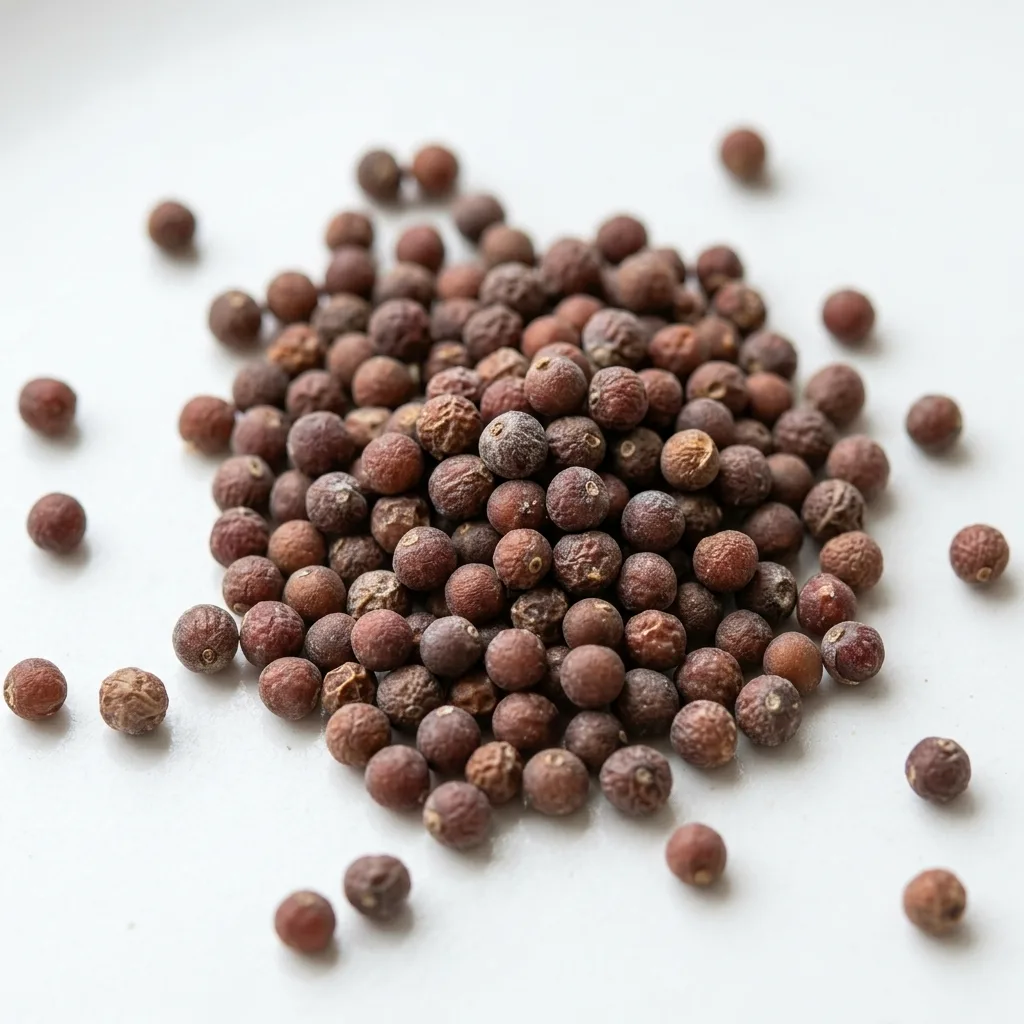
Peppery and sharp — the same seed we sow for our own radish trays.