
Growing Microgreens Without Soil: Which Medium Works Best?
Soil, coco peat, paper towel, hemp mats, sand or plain water — what each one does well, where each one fails, and which to choose for the seed you are growing.
You do not need soil to grow microgreens. For the week or two that a microgreen lives, most of what the shoot needs comes from the seed itself. What the medium has to do is simpler: hold enough water, let the rest drain away, give roots something to grip, and stay clean. Plenty of materials manage that. They are not equally good at it.
This page compares the options. For the step-by-step growing method, see our guide to growing microgreens at home.
Coco peat — our default
Coco peat (coconut coir) is light, holds water well without going soggy, drains freely, and is easy to find in Thailand. Roots grip it firmly, which matters for heavy seeds like sunflower and pea. It is what we recommend in all our guides, at 3–4cm deep.
- Good for: every variety, and especially big seeds.
- Watch for: rinse it first if it is dusty, and do not pack it down hard.
Potting mix or seedling mix
A fine seedling mix works much like coco peat. The thing to avoid is garden soil, which compacts into a solid mat when wet, drains badly, and can bring fungus gnats and mould spores into the house.
- Good for: any variety, if the mix is fine and free-draining.
- Watch for: coarse bark pieces, and anything sold as garden soil.
Paper towel or tissue
Paper is the cheapest way to try microgreens and works best with small, fast seeds such as radish. It holds very little water, so it swings between dry and soaked, and it gives roots little to hold. Heavy seeds like sunflower struggle to stand up on it.
- Good for: a first test with small seed, or a classroom experiment.
- Watch for: drying out within hours in Thai heat, and mould if it stays soaked.
Hemp, jute and other grow mats
Purpose-made mats are clean, light and tidy, which is why some growers like them for countertops. They hold less water than coco peat, so they need closer attention, and they cost more per tray.
- Good for: small and medium seeds, and anyone who dislikes loose medium indoors.
- Watch for: drying out, and buying mats made for food crops.
Sand
Washed sand drains extremely well and some Thai growers use it for water spinach. It holds little water and is heavy to move, so trays need watering more often. Use only clean, washed sand.
Just water?
Seeds grown in nothing but water in a jar are sprouts, not microgreens — they are eaten seed, root and all, and grown in the warm, wet conditions that give sprouts their food-safety record. Microgreens need a surface that stays moist but not waterlogged, with air around the leaves. Our comparison of microgreens and sprouts explains the difference.
Which should you choose?
- First time, one tray: coco peat with radish seed.
- Big seeds — sunflower, pea, water spinach: coco peat or a fine seedling mix.
- A quick test or a school experiment: paper towel with small seed.
- A tidy kitchen counter: a food-grade grow mat.
Whatever you use, the rules that prevent failure are the same: drainage holes, a single layer of seed, watering from below once the cover comes off, and moving air. If a tray still goes wrong, our guide to mould and other growing problems will help you work out why. To compare media in your own conditions, see side-by-side growing experiments. Ready to try? Start with our radish seeds.
Featured in this article
Try these microgreens
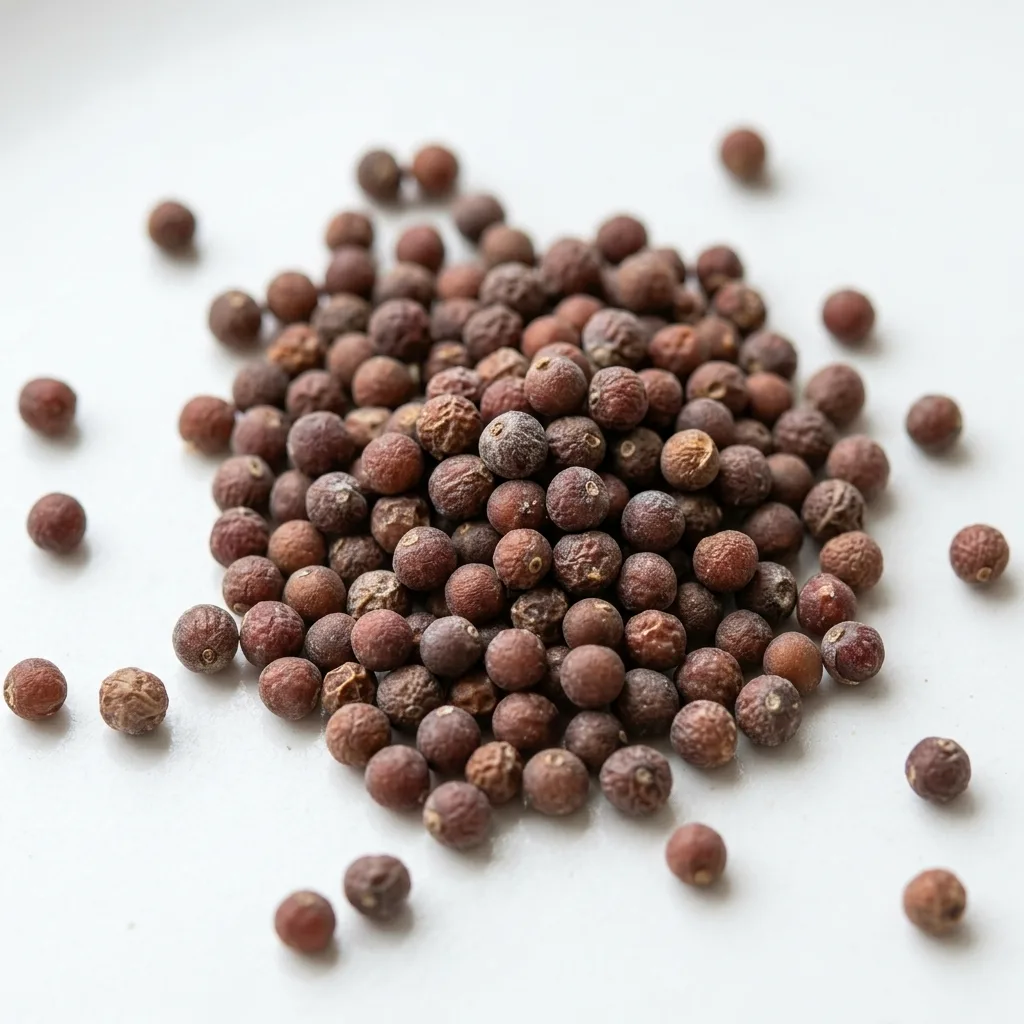
Peppery and sharp — the same seed we sow for our own radish trays.