
Growing Microgreens in a Condo: Small Space, Little Light
No garden, a small balcony or none at all. Where to put the trays, when a window is enough and when to add an LED light, how to water without wrecking the floor, and the mistakes that cause mould indoors.
Microgreens are the vegetable a condo was made for. A tray takes the space of a chopping board, needs no soil, and is ready in one to two weeks. What a condo lacks is usually not space but light and moving air, and those are the two things to plan for. This page covers setting up indoors; for the growing method itself, see our guide to growing microgreens at home.
Where to put the trays
- Best: beside your brightest window, with bright light but little direct sun.
- Balcony: good for light and air, but keep trays out of direct afternoon sun — in Thailand it will cook a tray.
- Air-conditioned room: works, but growth runs about a day slower and the medium dries faster.
- Avoid: a closed bathroom or a cupboard with no airflow — the quickest way to grow mould.
Is a window enough?
Often, yes. Microgreens need far less light than a vegetable garden. Watch the shoots: if they come up tall, thin and pale, and lean hard towards the glass, they are not getting enough. Turning the tray daily evens out the lean but does not fix low light. That is the point to add a grow light.
Growing under an LED light
Any LED sold as a grow light will do for a home tray; what matters more is how many hours it runs and how close it is. Mount it above the tray at the height the manufacturer recommends, and run it on a plug-in timer so the hours are the same every day.
- Hours: 14 to 16 hours of light a day. A 2022 study of cabbage and Chinese kale microgreens under LEDs found the most growth at 14 hours and the highest chlorophyll at 16, and concluded that 14 to 16 hours was best overall.
- Brightness: more light generally means more growth. A University of Kentucky study found fresh weight of kale, cabbage, arugula and mustard microgreens rose as LED intensity increased, and a Thai study found water spinach (water convolvulus) microgreens grew best at the highest intensity it tested. Very strong light can work against you; one study found it reduced growth in borage microgreens.
- Reading the plants: tall, pale, leaning shoots need more light or a lower lamp. Bleached or scorched leaf tips mean the lamp is too close or too hot.
Keep the cover period dark
Lights go on only after the blackout days. For the first two or three days, while the seeds are covered and weighted, they need darkness and moisture, not light.
Space — go up, not out
A small wire shelf turns one tray into four. Give each shelf its own light if the window does not reach it, leave a gap above the shoots for air, and put a drip tray under every growing tray. A standard 25×25cm tray gives enough of a fast variety like radish for several meals.
Watering without wrecking the floor
- Water from below: pour into the outer tray and let the medium absorb it. It keeps the leaves dry and the floor clean.
- Tip out water still standing in the outer tray after about half an hour.
- Use a spray bottle only during the covered days.
Air — the thing condos lack
Still, humid air is how mould starts. A small fan on its lowest setting in the room, or a window open part of the day, makes more difference than anything else on this list. If something fuzzy appears, our guide to mould and growing problems will tell you whether it is mould or harmless root hairs.
Keeping it clean indoors
Use coco peat or a grow mat rather than garden soil, which can bring fungus gnats into the room. Our comparison of growing media covers the soil-free options. After harvest the root mat goes in the bin or compost, and the tray gets washed before the next sowing.
What to grow first
- Radish — the fastest and most forgiving; small seed, no soak. How to grow radish microgreens.
- Sunflower — the most popular in Thailand; needs weighting during the covered days. How to grow sunflower microgreens.
- Water spinach — likes warmth, so a warm balcony suits it. How to grow water spinach microgreens.
- Pea shoots — sweet and productive. Pea shoots.
Common indoor mistakes
- Too little light, shown by tall, pale, leaning shoots.
- Watering from above in a closed room.
- No airflow.
- Direct afternoon sun on a balcony.
- Sowing more than you can eat — cut what you need and see our guide to storing microgreens.
Radish is the right first tray for a condo. We sell the same radish seed we sow on our own trays.
Featured in this article
Try these microgreens
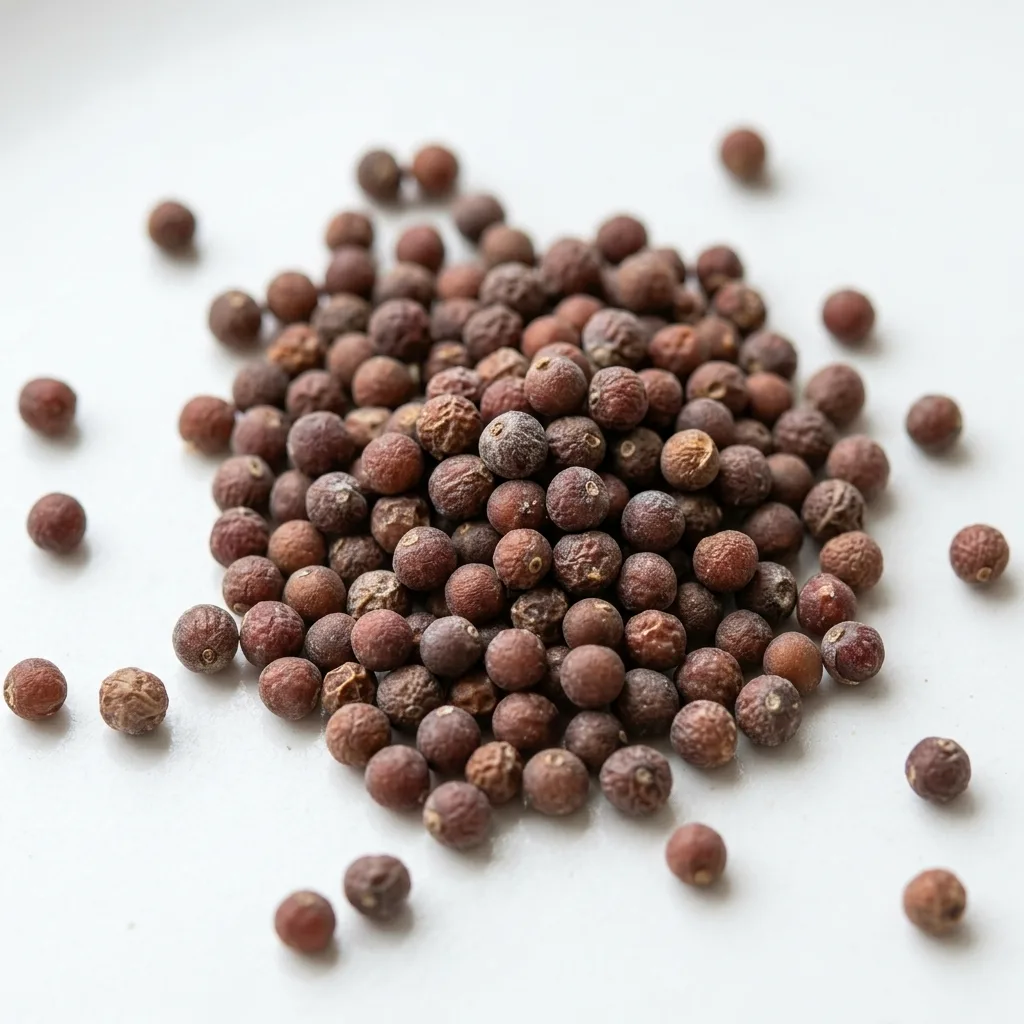
Peppery and sharp — the same seed we sow for our own radish trays.