
How to Choose Seeds for Microgreens
Most failed trays start at the seed. What to look for, what to avoid — treated seed, bird seed, roasted snacks — and a two-minute test that tells you whether a packet is worth sowing.
You can do everything right with the tray, the water and the light and still get a patchy, mouldy result if the seed is wrong. Seed is the one input you cannot fix after sowing. This page covers how to choose it and how to check it before you commit a whole tray.
Buy seed sold for sprouting or microgreens
Seed sold for field or garden planting is often treated with fungicide to protect it in the ground. That is fine for a crop harvested months later. It is not fine for a shoot you will eat a week after sowing. Treated seed is often dyed a bright colour as a warning, but not always, so read the packet. If it does not say the seed is untreated and meant for sprouts or microgreens, do not eat what grows from it.
What not to use
- Bird seed — not produced or handled as food, and sometimes treated.
- Roasted or salted snack seeds — roasting kills the seed. It will not germinate.
- Split peas or split lentils — the seed has been halved and cannot grow.
- Seed of plants whose leaves are not food — tomato, potato, aubergine and other nightshades. Our guide to eating microgreens raw lists them.
Which seed for which microgreen
- Sunflower — black oil sunflower seed, still in its hull. It is what almost every grower uses.
- Pea — whole dried peas sold for sprouting. Whole, never split.
- Radish — small and fast; the easiest seed to start with.
- Water spinach — a hard-coated seed that needs a long soak before sowing.
Test before you sow
A germination test takes two minutes to set up and saves a wasted tray. Count out 20 seeds, lay them on a damp paper towel, fold it over, and keep it in a closed container at room temperature. After two to four days, count how many have sprouted. Sixteen out of twenty is 80%. A good packet comes in high. If fewer than half sprout, the tray will be patchy no matter what you do.
Test the same way every time
Use the same number of seeds and the same towel each time. Then the number means something, and you can tell when a packet starts to age.
Storing seed
Seed is alive, and it ages. Germination drops faster in heat and humidity, which Thailand has plenty of. Keep seed in an airtight container, somewhere cool, dry and dark — not on a sunny windowsill or next to the stove. Write the date you opened the packet on it, and run a germination test if it has been a while.
How much seed do you need?
More than most people expect, because microgreens are sown densely. For a standard 25×25cm tray, our growing guide lists the weights: about 25–30g for radish, 80–100g for water spinach, 90–110g for sunflower and 130–150g for pea.
Can you plant microgreen seed in the garden?
Yes — it is ordinary seed. Black oil sunflower seed planted in the ground with space and full sun grows into a sunflower plant, though the flowers will not look like an ornamental variety. Radish seed grows into radish.
Our seed
We sell one seed at the moment: radish seeds, the same seed we sow on our own trays. Radish is the right seed to learn on — see how to grow radish microgreens — and our seeds page lists anything we add.
Featured in this article
Try these microgreens
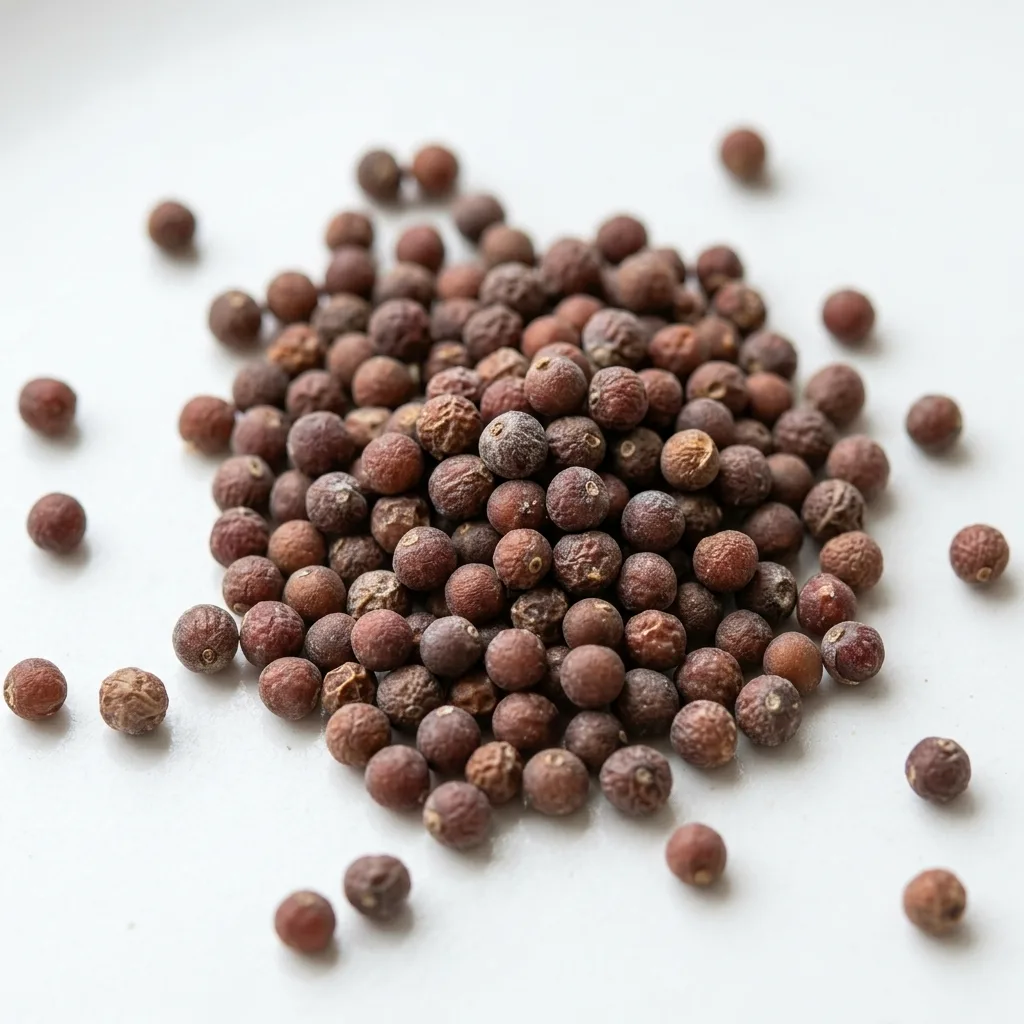
Peppery and sharp — the same seed we sow for our own radish trays.