
Mould on Microgreens? How to Tell, and How to Fix It
Fuzz on the tray is not always mould, and mould is not the only thing that goes wrong. A diagnosis guide for home trays — mould, root rot, patchy germination, roots that will not take, and shoots that fall over.
Almost every failed tray of microgreens fails for one of a handful of reasons, and most of them come back to the same two things: too much water and too little air. This page is for diagnosing a tray that has already gone wrong. For the method that prevents most of these problems in the first place, start with our guide to growing microgreens at home.
First, is it actually mould?
Many first-time growers throw out a healthy tray because of root hairs. Root hairs are fine, white, fuzzy growth around the base of each stem. They appear overnight, look evenly spread, and disappear when you mist them. They mean the roots are looking for water, and that is normal — radish in particular grows a lot of them.
- Root hairs — bright white, around the stem bases, collapse when misted, no smell.
- Mould — grey or off-white web that spreads across seeds and medium, does not collapse when misted, and smells musty.
Mould — causes and what to do
Mould grows when the surface of the tray stays warm and wet with still air around it. The usual causes are watering from above, sowing too densely so that seeds sit on top of each other, leaving the blackout cover on too long, and a closed room with no airflow.
- Catch it early: if the patch is small, scoop out that patch and the medium under it.
- Switch to watering from below: pour water into the outer tray and let the medium absorb it.
- Get air moving: open a window or run a fan on low in the room.
- Next tray, sow a single layer — seeds touching, never piled.
When to give up on a tray
If mould has spread across most of the tray, or the tray smells sour, do not cut around it. Throw it out, wash the trays with hot soapy water, and start again.
Root rot and a sour smell
Brown, soft stem bases and a sour smell mean the root mat has stayed waterlogged long enough to rot. This is the one problem with no rescue. The fix is in the next tray: use a medium that drains, make sure the tray has drainage holes, and water less often. A medium that feels like a wrung-out sponge is right; one you can squeeze water out of is too wet.
Patchy or slow germination
- Uneven surface — seeds in dips stay wetter and seeds on bumps dry out. Level the medium before sowing.
- Seeds that dried out during blackout — mist daily and keep the cover on until the shoots lift it.
- Old or poor seed — a seed that does not germinate is not going to. Test a pinch on a damp paper towel before sowing a whole tray.
- Not enough soak for big seeds — sunflower, pea and water spinach need their soak; radish does not.
Roots that lift instead of anchoring
If the seeds push themselves up and sit on top of the medium with roots in the air, they were not pressed down. Weight the tray during the covered days — another tray with a couple of books on top is enough. That pressure keeps seeds in contact with the medium and makes the stems grow straight.
Leggy, pale, or falling over
- Tall, pale and thin after uncovering — not enough light. Move the tray somewhere brighter, out of direct sun.
- Falling over — usually too wet with too little airflow, sometimes too much heat.
- Seed hulls stuck on the leaves — the covered period was too short or the weight too light. Run your fingers over the tops while watering to loosen them.
Prevention, in one list
- Untreated seed sold for sprouting or microgreens.
- A clean tray with drainage holes, and a medium that drains.
- Seeds in a single layer, pressed down during the covered days.
- Water from below once the cover comes off.
- Moving air, and bright light out of direct sun.
If you are setting up for the first time, radish is the most forgiving seed to learn on — see how to grow radish microgreens. The medium matters too; our comparison of growing media for microgreens covers which ones drain well.
Featured in this article
Try these microgreens
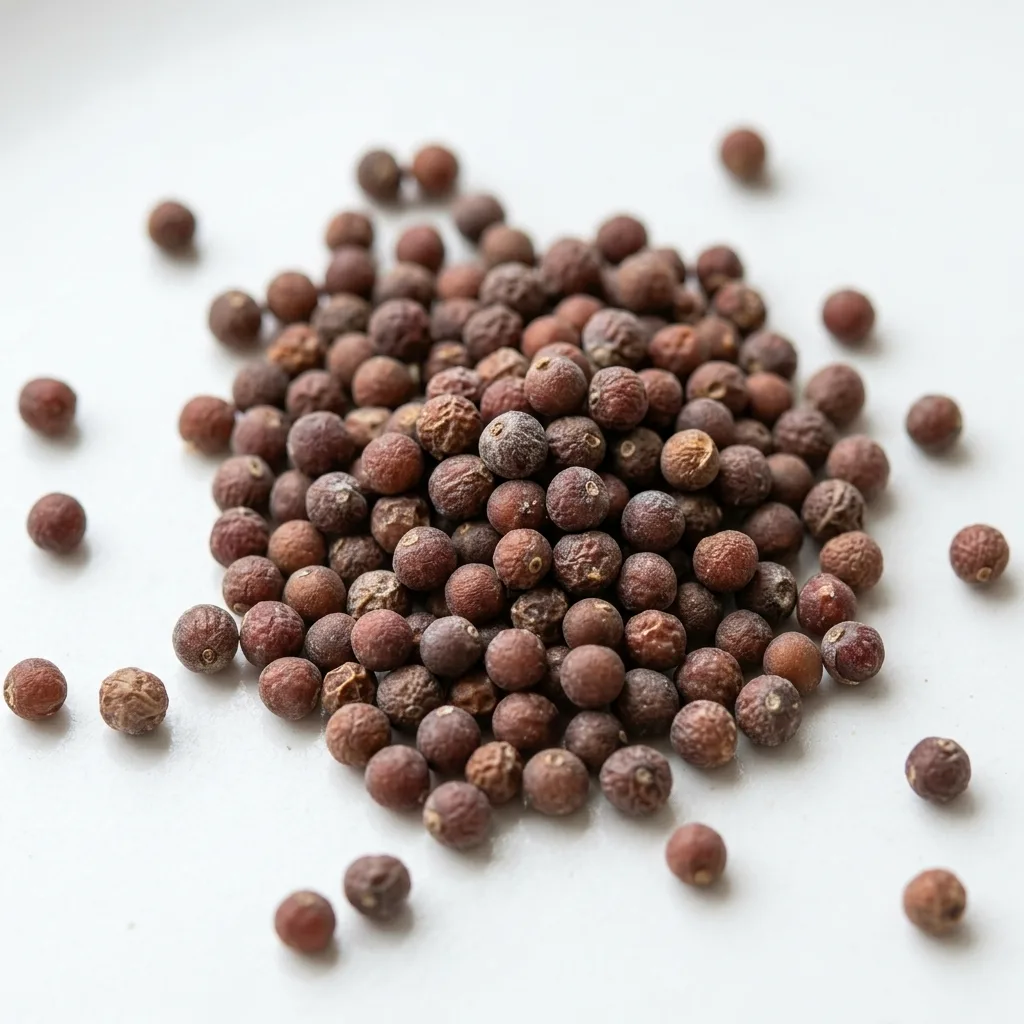
Peppery and sharp — the same seed we sow for our own radish trays.