
Which Microgreen for Which Benefit
"Microgreens are healthy" is true and not very useful. Different varieties concentrate different things — here is what each one actually brings, and how to pick by what you want.
The headline research on microgreens treats them as one category: seedlings concentrate several times the vitamin content of the mature leaf of the same plant. That is the mechanism, and we cover it in our piece on the nutritional science. This page is the practical half — the varieties are not interchangeable, and which one you buy should depend on what you want out of it.
One caveat before the list. These are foods, not supplements. A handful of any of them is a good addition to a meal; none of them treats anything, and the honest framing is that you are getting a concentrated version of ordinary vegetable nutrition in a portion small enough that you will actually eat it every day.
Sunflower — the one to eat by volume
Sunflower shoots are the only common microgreen with enough substance to eat as a salad base rather than a garnish, and that changes the arithmetic: 50g of sunflower is a realistic portion, where 50g of arugula microgreens is not. They carry a useful amount of plant protein for a green, along with vitamin E and healthy fats inherited from the seed.
Pick sunflower if you want microgreens to be a meaningful part of the meal rather than a finishing touch. It is also the easiest one to get children to eat, because it is sweet and nutty rather than sharp.
Radish — the brassica hit, in a small portion
Radish microgreens belong to the same family as broccoli and cabbage, and carry the glucosinolates that family is studied for — the compounds behind the peppery heat. Young brassica seedlings concentrate them well above the mature vegetable.
The catch is portion size. Radish microgreens are hot, and most people top out at a small handful. That is fine — it is the variety you use in 10g doses on top of something else, not by the bowl. Broccoli microgreens are the more-studied cousin here for the same reason and behave similarly on the plate.
Pea shoots — vitamin C and something people will actually eat
Pea shoots are sweet, mild, and among the better microgreen sources of vitamin C and folate. Like sunflower, they can be eaten in quantity, which matters more than any per-gram figure — a nutrient-dense green nobody finishes is not doing anything.
They are also the variety that most reliably converts sceptics. If someone in the house does not like "health food", start here.
Water spinach shoots — the familiar one
Water spinach is already a staple green in Thai cooking, and its shoots carry the same profile — iron, vitamin A, vitamin C — in a younger, more tender form. Its real advantage is that it needs no explanation to a Thai cook and no new recipes: anything you would do with pak bung works, only faster.
Arugula and cilantro — flavour first, nutrition as a bonus
These two are used as seasoning. Arugula microgreens are a brassica, so they carry the same family of compounds radish does, and cilantro brings the vitamin K and the strong aromatic profile of the herb. But you will eat them by the pinch, so treat any benefit as incidental. You are buying them because they make food taste better, which is a perfectly good reason.
Picking by what you want
- To make a salad out of them: sunflower, then pea shoots.
- For brassica compounds: radish, in small amounts, daily rather than occasionally.
- For vitamin C: pea shoots and radish, both eaten raw.
- For iron and vitamin A in a familiar form: water spinach shoots.
- For children or fussy eaters: pea shoots and sunflower, nothing peppery.
- For flavour on a finished plate: arugula and cilantro.
Variety beats optimisation
Rotating through two or three types over a week does more than finding the single most nutrient-dense one and eating only that. Different varieties concentrate different compounds, and the differences between them are smaller than the difference between eating them and not.
How to not waste what you bought
Most of the loss happens after purchase, not in the choice of variety. Vitamin C and folate are heat-sensitive and degrade in cooking, so eat microgreens raw where you can and add them to hot dishes after the pan comes off the heat. Store them cold, dry and unwashed, and eat them within four or five days — nutrient content falls as the leaves do.
And eat a handful most days rather than a large bowl occasionally. That is the whole strategy, and it matters more than which variety is in the punnet. If you are still choosing, see what kinds of microgreens there are, and how to eat them raw.
Featured in this article
Try these microgreens
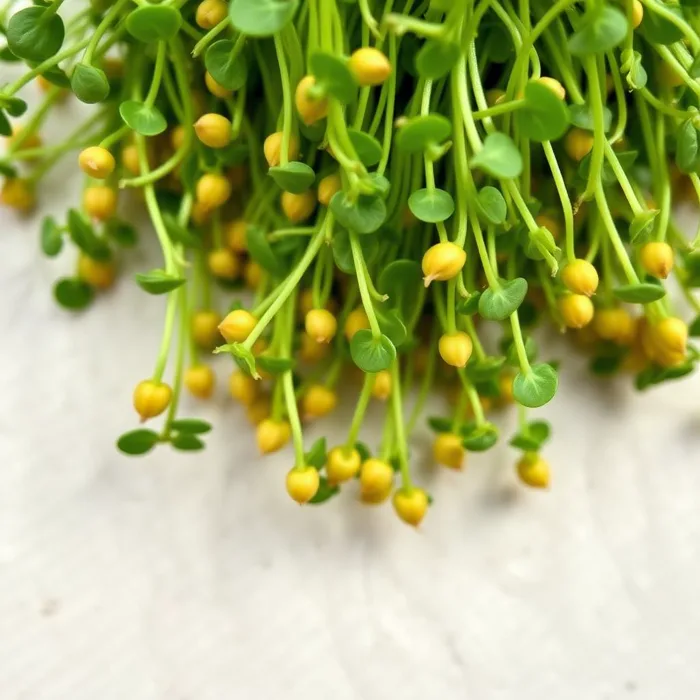
Nutty, crunchy, slightly sweet — a salad favourite.
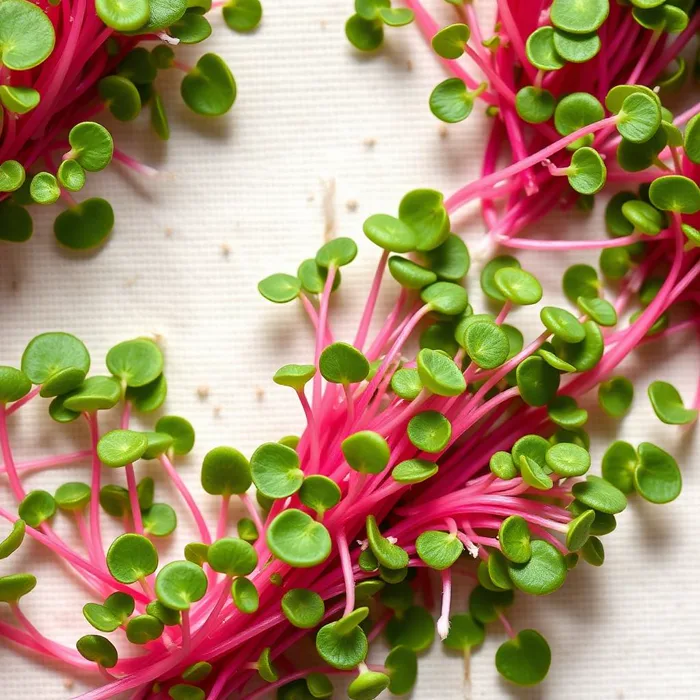
Peppery and bright with vibrant pink stems.
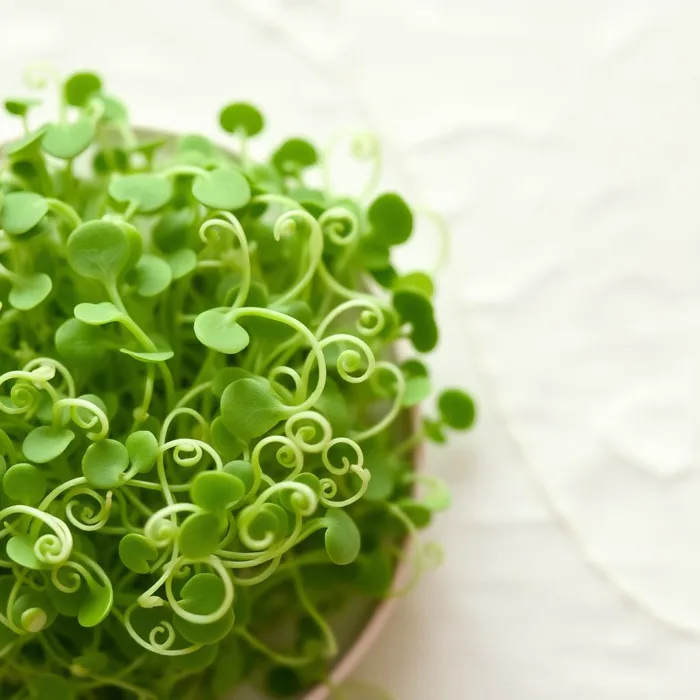
Sweet, fresh and tender — like garden peas.
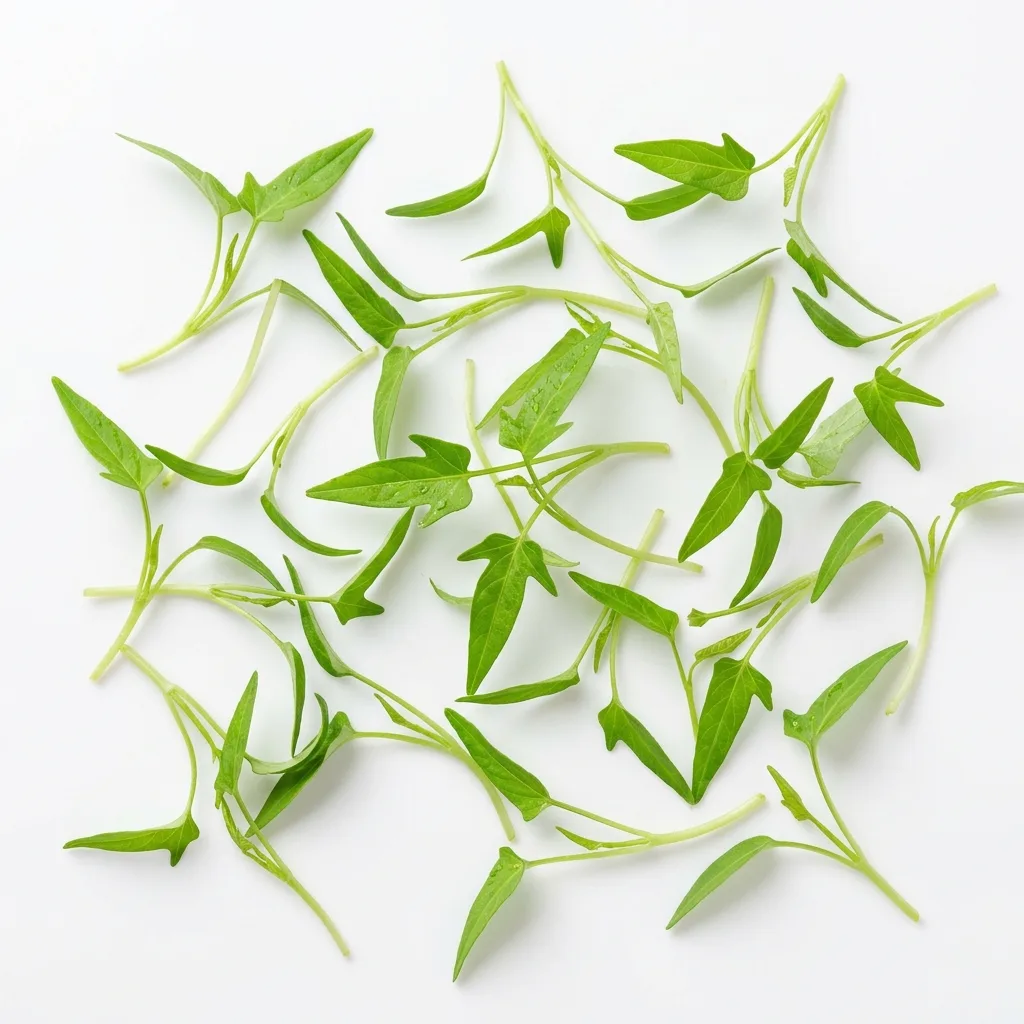
Mild and green with hollow, juicy stems — the tender half of pad pak bung.
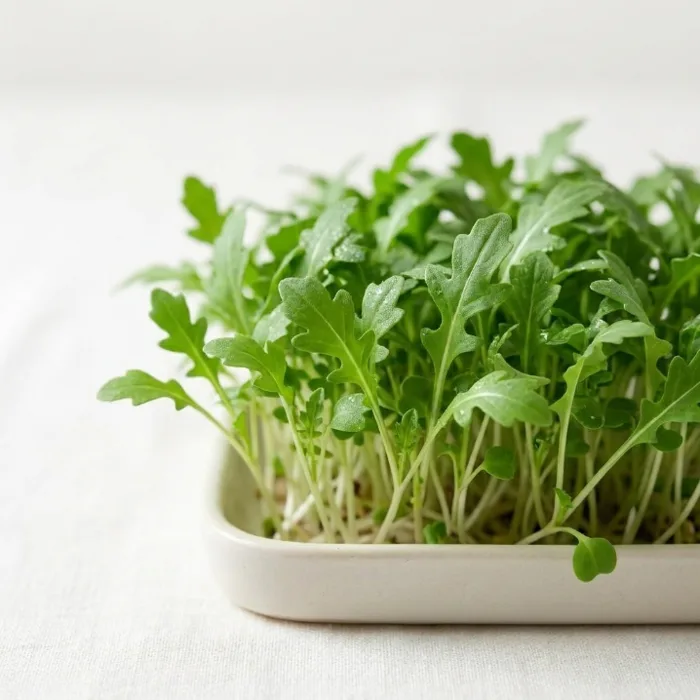
Bold, peppery, and slightly nutty with a crisp, fresh bite.