
The Nutritional Power of Microgreens, Explained
Microgreens are rich in nutrients and packed with flavour. Here's what the science actually says and which varieties pack the biggest punch.
The claim that microgreens are 'super nutritious' gets thrown around a lot. The good news is that the research largely backs it up — though the specifics depend on the variety. Here's what we know.
Why are microgreens so nutrient-dense?
A seedling concentrates energy from the seed to fuel rapid early growth. That energy comes in the form of vitamins, antioxidants, and other micronutrients. A 2012 USDA-funded study published in the Journal of Agricultural and Food Chemistry found that 25 varieties of microgreens contained 4–40× higher concentrations of vitamins C, E, K, and beta-carotene compared to mature leaves of the same plants.
Standout varieties and what they offer
- Sunflower: Complete protein with all essential amino acids, plus healthy fats and vitamin E — unusually rich for a leafy green.
- Pea shoots: High in vitamins C and A, folate, and fibre. One of the most nutritionally balanced microgreens.
- Radish: Concentrated source of vitamin C and antioxidants called anthocyanins — the pigments that give the pink stems their colour.
- Arugula: Contains glucosinolates, sulfur compounds linked to cellular health. Also a good source of vitamins K and A.
How much should you eat?
You don't need large portions to see benefit. A 30–50g serving — roughly a generous handful — provides a meaningful contribution of several key nutrients alongside your regular meals. Think of microgreens as a daily complement rather than a replacement for varied vegetables.
Does cooking destroy the nutrients?
Heat-sensitive vitamins like C and folate do degrade with cooking. Eating microgreens raw — on top of finished dishes, in salads, or blended raw into smoothies — preserves the most nutrients. If you cook with them (e.g. in a stir-fry), add them at the very end, off the heat.
Practical takeaway
A small daily habit is more valuable than an occasional big portion. Adding one handful of microgreens to a meal each day is a simple, sustainable way to meaningfully increase your micronutrient intake.
Featured in this article
Try these microgreens
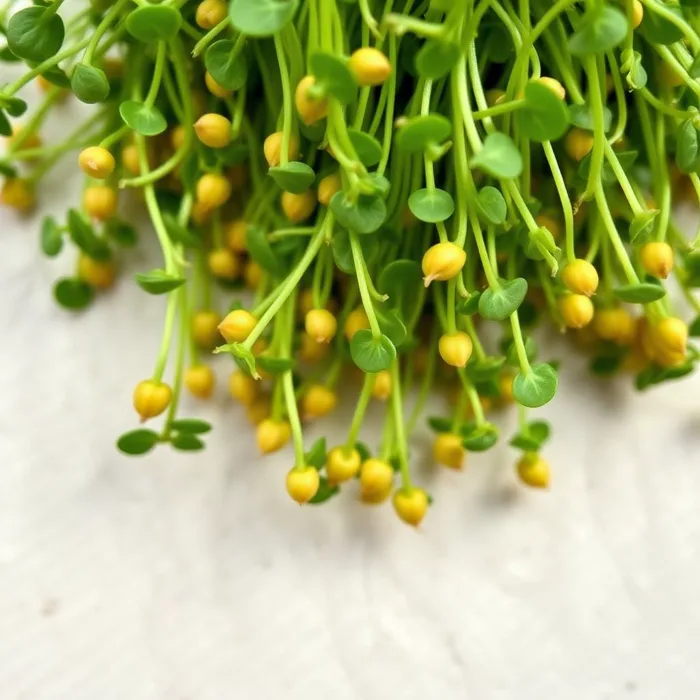
Nutty, crunchy, slightly sweet — a salad favourite.
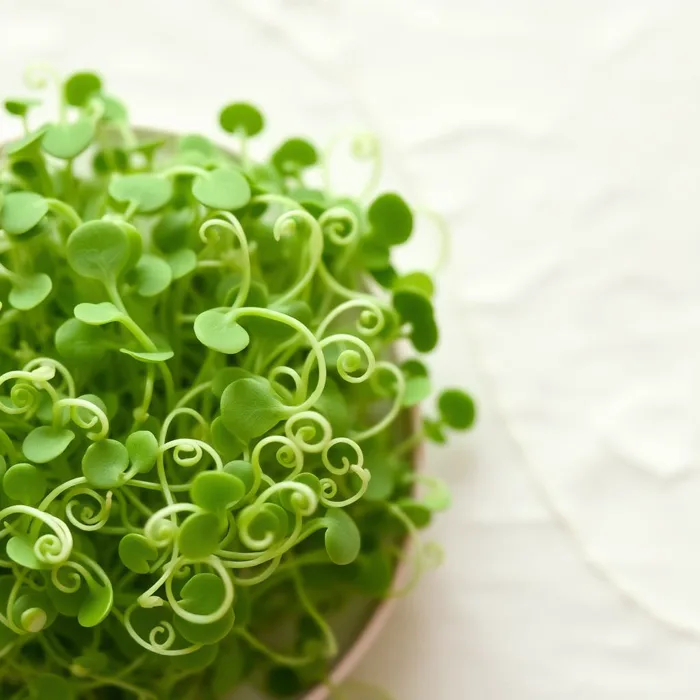
Sweet, fresh and tender — like garden peas.
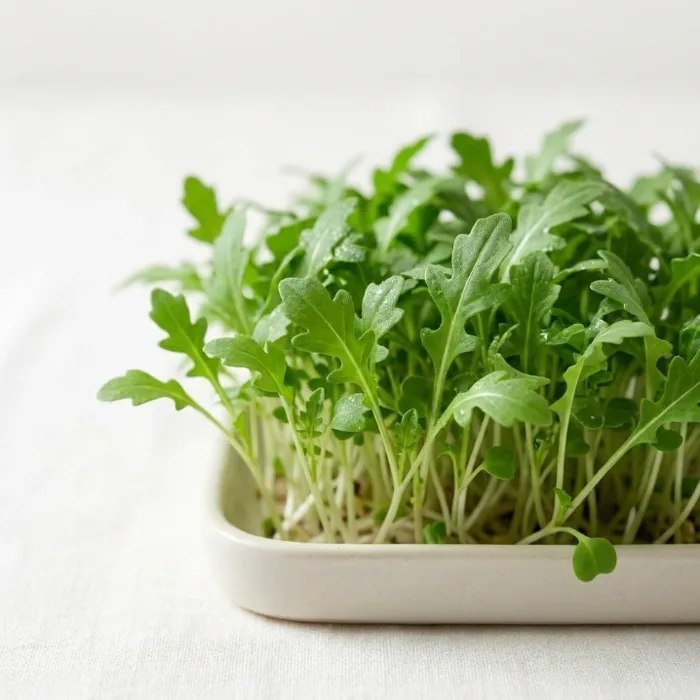
Bold, peppery, and slightly nutty with a crisp, fresh bite.
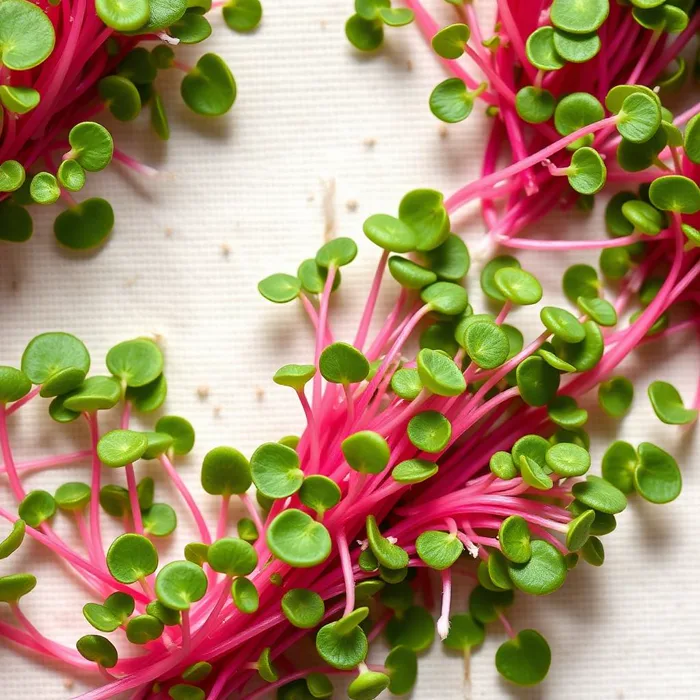
Peppery and bright with vibrant pink stems.