
พลังโภชนาการของไมโครกรีน อธิบายให้เข้าใจ
ไมโครกรีนอุดมด้วยสารอาหารและรสชาติเข้มข้น นี่คือสิ่งที่วิทยาศาสตร์พิสูจน์แล้ว และสายพันธุ์ไหนให้คุณค่าสูงสุด
คำกล่าวว่าไมโครกรีน 'มีสารอาหารสูงมาก' ถูกพูดถึงบ่อยมาก ข่าวดีคืองานวิจัยส่วนใหญ่รับรองเรื่องนี้ — แม้รายละเอียดจะขึ้นอยู่กับสายพันธุ์ นี่คือสิ่งที่เราทราบ
ทำไมไมโครกรีนจึงมีสารอาหารสูงมาก?
ต้นกล้าสะสมพลังงานจากเมล็ดเพื่อหล่อเลี้ยงการเจริญเติบโตอย่างรวดเร็ว พลังงานนั้นอยู่ในรูปวิตามิน สารต้านอนุมูลอิสระ และสารอาหารรอง การศึกษาที่ได้รับทุนจาก USDA ในปี 2012 ในวารสาร Journal of Agricultural and Food Chemistry พบว่าไมโครกรีน 25 สายพันธุ์มีวิตามิน C, E, K และเบต้าแคโรทีนสูงกว่าใบของพืชชนิดเดียวกันที่โตเต็มที่ 4–40 เท่า
สายพันธุ์เด่นและสิ่งที่ให้
- ทานตะวัน: โปรตีนครบถ้วนพร้อมกรดอะมิโนจำเป็นครบ บวกไขมันดีและวิตามิน E — สูงผิดปกติสำหรับผักใบ
- ยอดถั่วลันเตา: วิตามิน C และ A สูง โฟเลต และไฟเบอร์ เป็นหนึ่งในไมโครกรีนที่สมดุลโภชนาการมากที่สุด
- หัวไชเท้า: แหล่งวิตามิน C และสารต้านอนุมูลอิสระที่เรียกว่าแอนโธไซยานิน — สีย้อมที่ทำให้ก้านมีสีชมพู
- อารูกูล่า: มีกลูโคซิโนเลต สารประกอบกำมะถันที่เชื่อมโยงกับสุขภาพเซลล์ และเป็นแหล่งวิตามิน K และ A ที่ดี
ควรกินเท่าไหร่?
ไม่จำเป็นต้องกินมาก หนึ่งมื้อ 30–50 กรัม — ประมาณหนึ่งกำมือใหญ่ — ให้สารอาหารหลักหลายชนิดที่มีความหมายต่อร่างกาย คิดถึงไมโครกรีนว่าเป็นส่วนเสริมประจำวัน ไม่ใช่สิ่งทดแทนผักหลากหลาย
การปรุงสุกจะทำลายสารอาหารหรือเปล่า?
วิตามินที่ไวต่อความร้อนอย่าง C และโฟเลตจะสลายตัวเมื่อโดนความร้อน กินไมโครกรีนสด — บนอาหารที่ปรุงเสร็จแล้ว ในสลัด หรือปั่นในสมูทตี้ — ช่วยรักษาสารอาหารได้มากที่สุด ถ้าจะปรุงสุก (เช่น ในการผัด) ใส่ตอนสุดท้าย ปิดไฟก่อน
สรุปแบบปฏิบัติจริง
นิสัยเล็กๆ ทุกวันมีค่ามากกว่าการกินมากๆ ในบางครั้ง การใส่ไมโครกรีนหนึ่งกำมือในมื้ออาหารทุกวันเป็นวิธีง่ายและยั่งยืนในการเพิ่มสารอาหารรองอย่างมีความหมาย
ผลิตภัณฑ์ที่กล่าวถึงในบทความ
ลองไมโครกรีนเหล่านี้
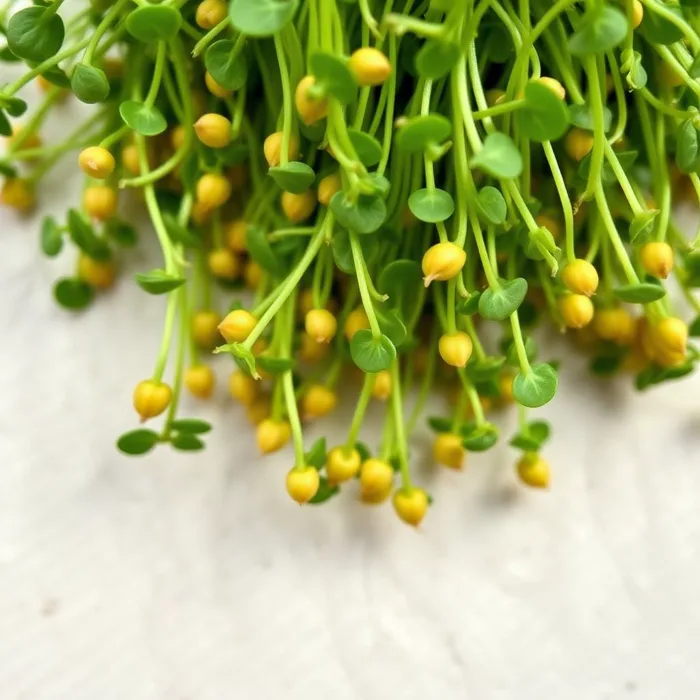
Nutty, crunchy, slightly sweet — a salad favourite.
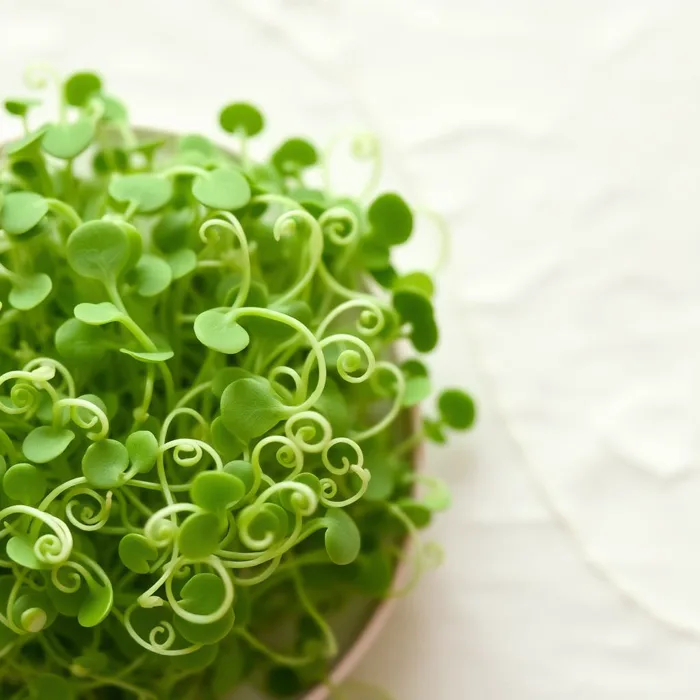
Sweet, fresh and tender — like garden peas.
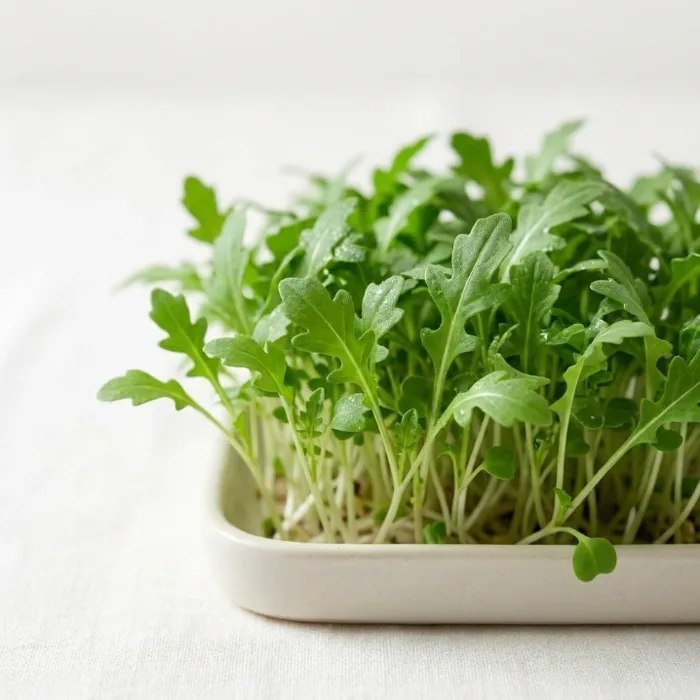
Bold, peppery, and slightly nutty with a crisp, fresh bite.
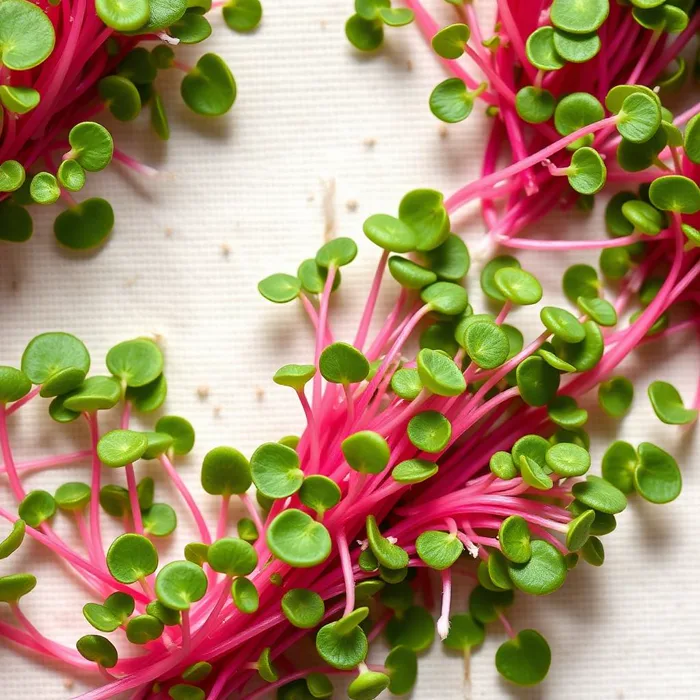
Peppery and bright with vibrant pink stems.