
ไมโครกรีน คือ อะไร และต่างจากถั่วงอกอย่างไร
ทั้งคู่อ่อนเยาว์ มีสารอาหารสูง และกำลังได้รับความนิยม — แต่ไมโครกรีนและถั่วงอกปลูกต่างกัน รสชาติต่างกัน และมีความปลอดภัยทางอาหารต่างกัน
ไมโครกรีนและถั่วงอกมักถูกพูดถึงไปด้วยกัน แต่จริงๆ แล้วเป็นผลิตภัณฑ์ที่แตกต่างกันมาก การเข้าใจความแตกต่างช่วยให้เลือกได้ถูกต้องตามความต้องการ และอธิบายว่าทำไมไมโครกรีนจึงกลายเป็นตัวเลือกหลักของเชฟและคนรักสุขภาพส่วนใหญ่
ถั่วงอกคืออะไร?
ถั่วงอกคือเมล็ดที่แช่น้ำและปล่อยให้งอก กินทั้งต้นรวมถึงเมล็ด ราก และยอด ปลูกในขวดหรือถาดโดยใช้น้ำเท่านั้น ไม่มีดิน พร้อมในเวลา 2–5 วัน สายพันธุ์ทั่วไปได้แก่ ถั่วเขียว อัลฟัลฟา และถั่วเลนทิล
ไมโครกรีนคืออะไร?
ไมโครกรีนคือต้นกล้าที่เก็บเกี่ยวหลังจากใบจริงใบแรกปรากฏ — ประมาณ 7–14 วันหลังงอก ปลูกในดินหรือวัสดุเพาะปลูกและกินเฉพาะส่วนเหนือดินเท่านั้น สายพันธุ์ทั่วไปได้แก่ ทานตะวัน หัวไชเท้า ยอดถั่วลันเตา อารูกูล่า และผักชี
ความแตกต่างหลัก
- ระยะเก็บเกี่ยว: ถั่วงอกเก็บตอนงอก ไมโครกรีนเก็บตอนเป็นต้นกล้า
- ส่วนที่กิน: ถั่วงอกกินทั้งต้นรวมราก ไมโครกรีนกินเฉพาะก้านและใบ
- วัสดุเพาะปลูก: ถั่วงอกใช้แค่น้ำ ไมโครกรีนต้องการดินหรือวัสดุเพาะ
- รสชาติ: ไมโครกรีนมีรสชาติตามสายพันธุ์ที่พัฒนาแล้ว — เผ็ดซ่า หอมมัน หวาน
- คุณค่าทางโภชนาการ: การศึกษาพบว่าไมโครกรีนมีวิตามิน C, E, และ K สูงกว่าถั่วงอก
- ความปลอดภัยด้านอาหาร: สภาพแวดล้อมอุ่นชื้นของถั่วงอกอาจเกิดแบคทีเรีย ไมโครกรีนในดินมีความเสี่ยงต่ำกว่า
ควรเลือกอะไร?
ถ้าต้องการความสะดวกและรวดเร็ว ถั่วงอกเหมาะกว่า แต่ถ้าต้องการรสชาติซับซ้อน ใช้ทำอาหารได้หลากหลาย และปลอดภัยกว่าสำหรับกินสด ไมโครกรีนคือตัวเลือกที่ดีกว่า ครัวมืออาชีพส่วนใหญ่หันมาใช้ไมโครกรีนด้วยเหตุผลเหล่านี้พอดี
รู้ไว้เลย
ที่ Faitem ทุกถาดปลูกในสภาวะสะอาดปลอดสารพิษ และเก็บเกี่ยวในเช้าวันส่ง — ได้ความสดและรสชาติดีที่สุด
ผลิตภัณฑ์ที่กล่าวถึงในบทความ
ลองไมโครกรีนเหล่านี้
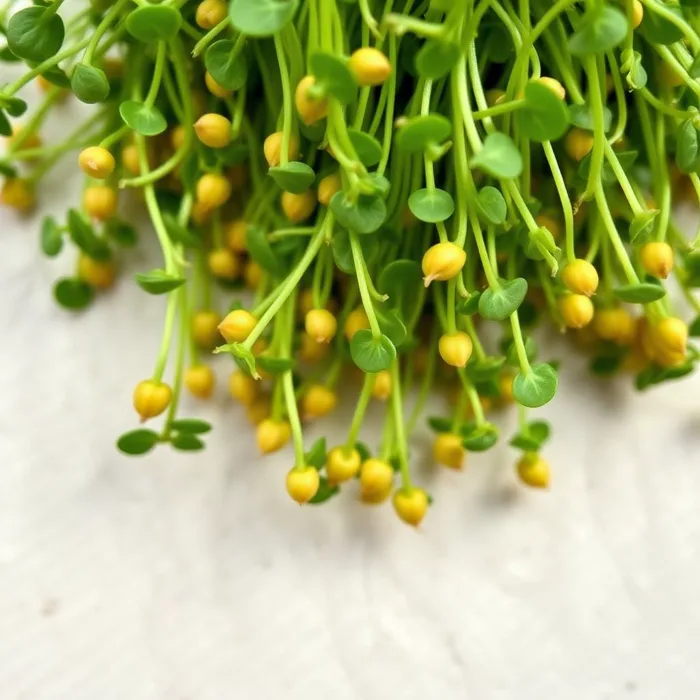
Nutty, crunchy, slightly sweet — a salad favourite.
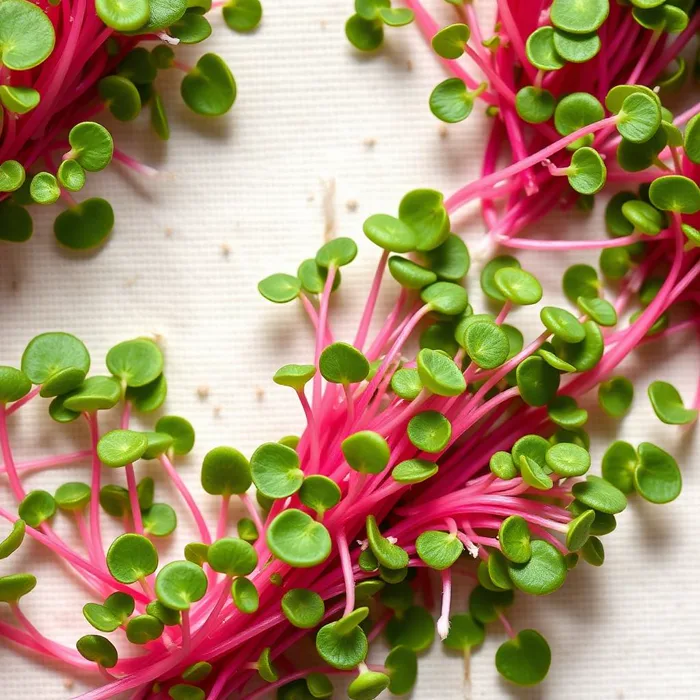
Peppery and bright with vibrant pink stems.
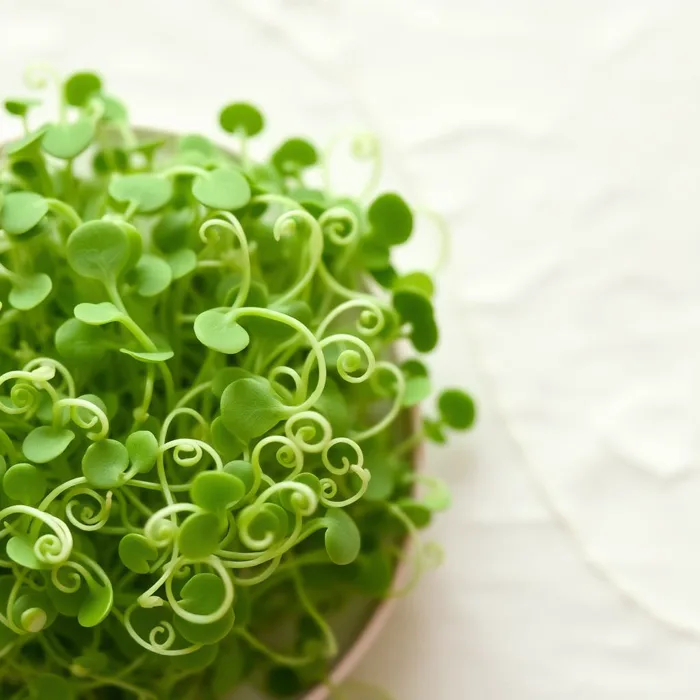
Sweet, fresh and tender — like garden peas.