
Growing Microgreens to Sell: Costs, Yield, Pricing and Planning
Headlines promise a monthly income from a few trays of sunflower shoots. Whether that is true for you depends on four numbers you can measure yourself. How to work them out before you spend money, and how to plan sowing around real orders.
Search for selling microgreens in Thailand and you will find success stories: a few trays of sunflower shoots, ready in a week, and a steady monthly income. Some of those growers do well. What the stories rarely show is the arithmetic, and that is what decides whether it works for you. This page does not promise an income. It shows how to calculate yours from numbers you measure, and where published figures can help you sanity-check them.
The four numbers that decide profit
- Yield — grams of sellable shoots you cut from one tray.
- Price — what buyers near you will actually pay per gram, not what you hope.
- Cost — everything a tray uses up: seed, medium, packaging, power, your time and delivery.
- Waste — the share of what you grow that you cannot sell in time.
Yield — measure your own
Yield varies with variety, seed density, light and how long you grow. The only figure you can plan on is your own: sow a tray exactly as you would for sale, cut it at the stage you would sell, and weigh it. Do it three times before trusting the average.
For a sense of scale, two published sources from the United States. A 2024 planning budget from University of Missouri Extension assumed yields of 8.0 to 11.5 ounces — about 227 to 326g — per standard 10×20-inch tray (roughly 25×50cm), depending on crop, in a greenhouse under lights. A grower project funded by the US SARE programme recorded an average of 7.31 ounces (about 207g) per tray across varieties, and 17.28 ounces (about 490g) for pea shoots. Conditions in Thailand differ, and so will your trays. Note that our growing guides use 25×25cm trays, half that area.
How much does 1kg of seed give?
It is a common question and there is no single answer — it depends on the variety and how long you grow. Record the dry seed weight you sow and the cut weight you harvest for each tray. After a few trays, divide one by the other and you have your own ratio.
Cost — per tray, not per month
Work out what one tray costs to produce. Monthly totals hide the problem; a per-tray cost tells you the lowest price you can charge.
- Seed — grams sown per tray multiplied by the price per gram. Our growing guide lists the grams per tray for each variety.
- Growing medium — the share of a bag each tray uses.
- Packaging — box or bag, label, and anything you add to keep the shoots dry.
- Power — only if you grow under lights or fans.
- Time — sowing, watering, cutting, packing and delivering, in minutes, valued at what your hour is worth.
- Delivery — fuel or courier fees, shared across the trays in each trip.
Do not leave your time out. The SARE grower project found that labour for harvesting and packing was the largest variable cost, and the Missouri budget assumed 15 minutes of labour per tray. Cutting, weighing and packing by hand take longer than growing.
Price — start from cost, then check the market
Divide the cost of one tray by the sellable grams it gives. That is your break-even price per gram. Then look at what buyers near you pay for the same thing — at markets, in shops, and online — and price per box at a fixed weight. If the market price is not comfortably above your break-even, change the variety, the tray, or the buyer before you change the price.
Waste — the risk that sinks most growers
Microgreens do not keep. Kept cold and dry they stay crisp for a few days; left warm, much less. Shoots you cannot sell in time are pure cost. The safest way to sell is the way we do: cut to order rather than harvest in advance. Our guide to storing microgreens covers how to keep what you have cut.
Crop planning — sow backwards from delivery day
Each variety takes a predictable number of days in your conditions. Count back from the day you deliver to find the day you sow, and sow a fresh set of trays on a fixed schedule rather than all at once. Start with one or two varieties: radish because it is the fastest, and sunflower because it is the one Thai buyers already know.
- Radish — no soak, cut around day 6 to 8.
- Sunflower — soak 8 to 12 hours, cut around day 8 to 10.
- Water spinach — soak 12 to 24 hours, cut around day 8 to 10.
- Pea shoots — soak 8 to 12 hours, cut around day 10 to 14.
These are from our growing guide, in Thai room temperature. Time your own trays before you promise a delivery date.
Where to sell
- People you know — neighbours, colleagues, your building. Small orders, but no waste if you grow to order.
- Markets — visible, but you carry the risk of what does not sell that day.
- Restaurants and cafés — steady weekly orders once you are reliable. Our guide to microgreens for restaurants explains what a kitchen asks a grower.
- Online — social media and messaging work well for pre-orders.
Quality and food safety
You are selling food that is often eaten raw. Use untreated seed sold for eating, clean trays and clean water, cut above the medium, and keep the shoots cold from harvest to delivery. If you plan to sell packaged food through shops, check the requirements that apply to you with your local authorities first. Our guides on choosing seed and mould and growing problems cover the growing side.
Start small
Grow for a few weeks before you sell anything. Time your trays, weigh your harvests, and cost them. If the numbers work, scale up one variety at a time. Radish is the cheapest way to learn — we sell the same radish seed we sow on our own trays, and how to grow radish microgreens walks through a tray.
Featured in this article
Try these microgreens
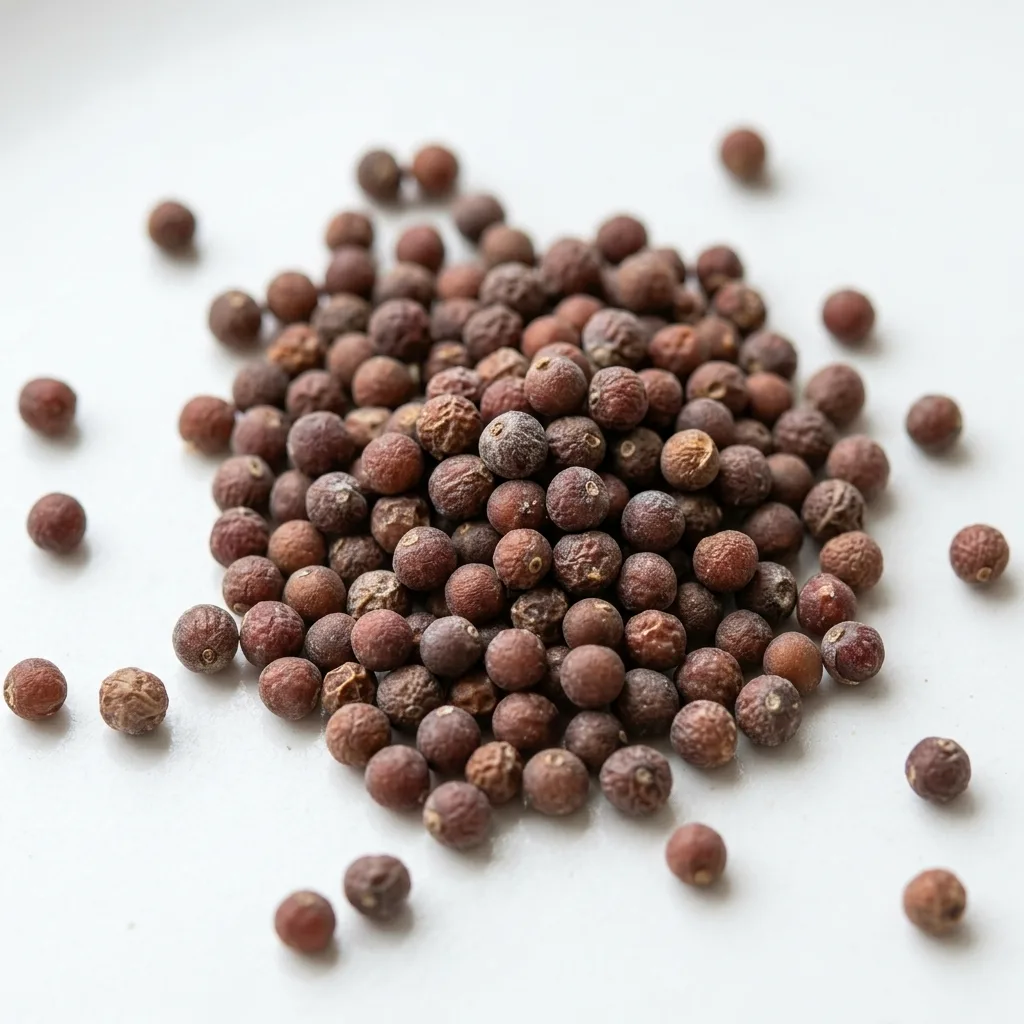
Peppery and sharp — the same seed we sow for our own radish trays.